What veneers can fix
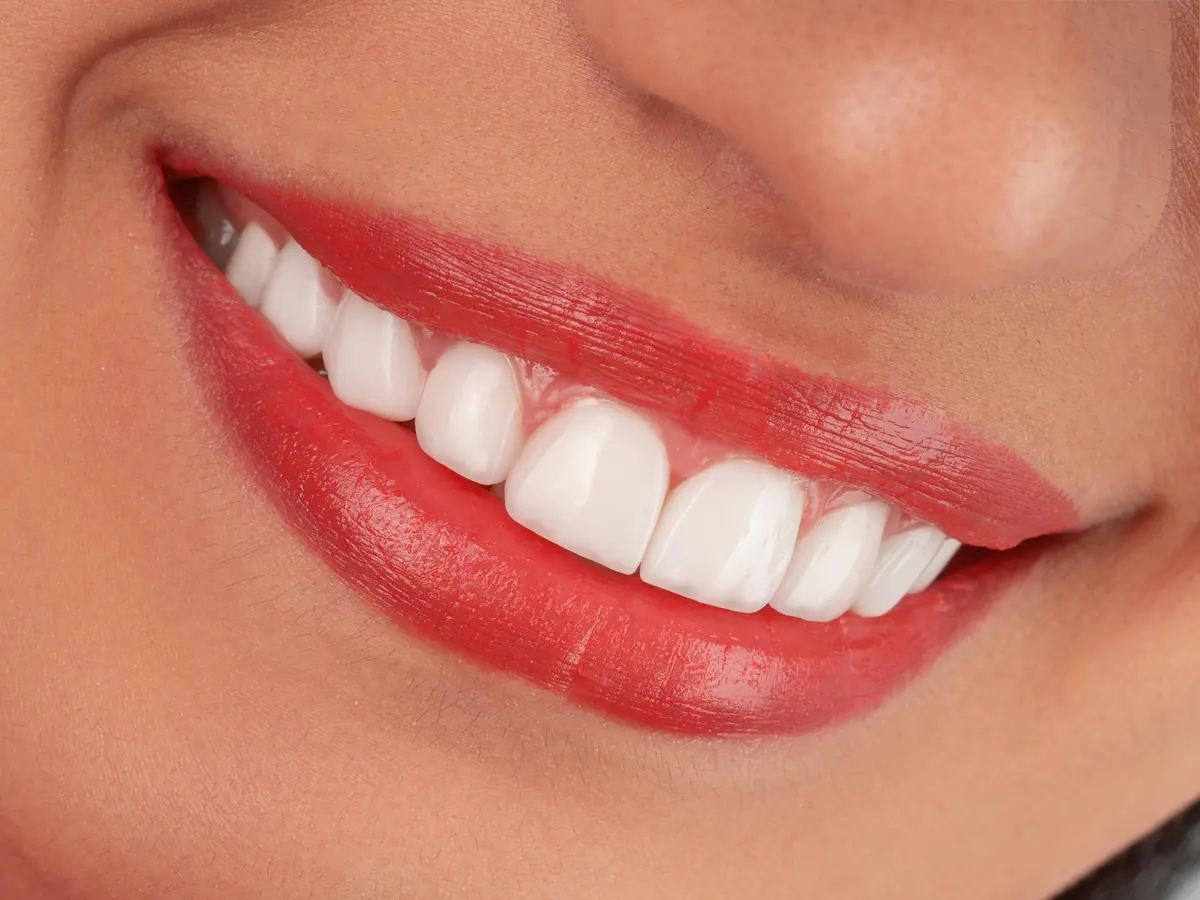
Veneers address the things people usually mean when they say they want a better smile: discoloured teeth that whitening cannot lift, chips and cracks, gaps between front teeth, uneven or worn edges, and teeth that are too short after years of grinding.
They can also correct the appearance of mild misalignment without braces. If a front tooth sits noticeably out of line, a veneer can be shaped to bring it into the arch. If the misalignment is significant, we will tell you that orthodontics will give a more lasting result.
What actually happens at each visit
Your first visit is a design session. We take a digital scan, photographs and a full set of impressions, and we show you a preview of your new smile. Nothing is done to your teeth yet.
At the second visit, we prepare a small amount of enamel — usually less than 0.5mm — and take final impressions. For most patients we use a digital scan after preparation, which means no temporary veneers and no second waiting period.
Your laboratory takes about two weeks to fabricate the veneers. At the third visit we try them in, check the fit and shade with you, and bond them into place. The whole bonding appointment is typically 60 to 90 minutes.
Porcelain vs. composite veneers
Porcelain is the gold standard for a reason. It resists staining better than composite, it has more natural light-translucency, and it typically lasts 10 to 15 years. It is also more expensive and requires a small amount of tooth preparation.
Composite veneers are applied directly to your tooth in one appointment, no preparation required, and are much cheaper. They stain more readily, chip more easily and generally last 4 to 7 years.
A good rule of thumb: if you have time and budget for a durable result, porcelain. If you want to test the look of a new smile first, or you are not ready for permanent changes, composite is a sensible first step.